Most dental advice focuses on brushing and flossing. That makes sense, but it leaves out most of the day.
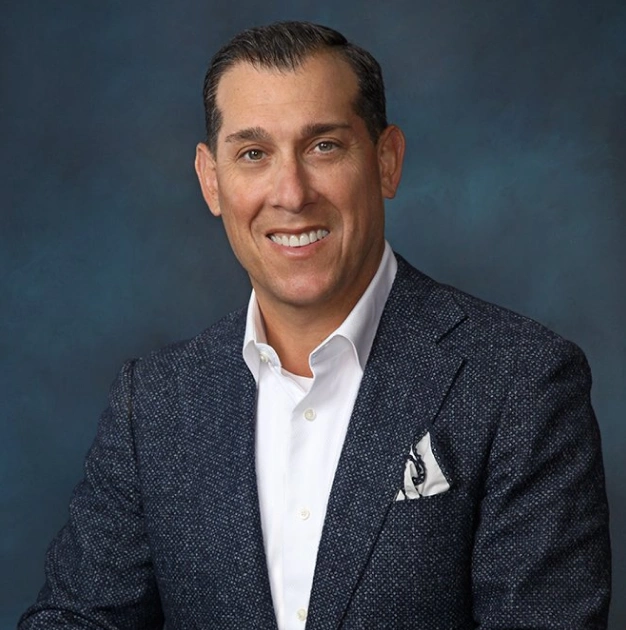
I'm Dr. David Chotiner. I've practiced dentistry for more than two decades, and I keep coming back to the same gap in oral care: what happens after you leave the bathroom.
You have coffee. You eat lunch. You snack at your desk, wear aligners, get a dry mouth, or take a medication that changes your saliva. Meanwhile, acids and dental biofilm do not wait for your evening routine.
Your mouth is not defenseless during those hours. Saliva helps dilute acids, clear food debris, and carry minerals back to enamel. But timing and everyday habits can make that recovery easier or harder.
What I'll write about
This publication is for the questions that rarely get a full answer during a dental appointment:
- What should you do after coffee if brushing right away is not a good idea?
- Why does dry mouth change your cavity risk?
- When does chewing gum help, and when is it just gum?
- What do ingredients such as xylitol and hydroxyapatite actually do?
- Which oral-care habits are worth keeping, and which ones are mostly marketing?
I will explain the biology in plain English, say where the evidence has limits, and give you something practical to do with the information.
Where RevitaBite fits
I formulated RevitaBite because I wanted a practical way to support the mouth between brushing, especially after meals and coffee. It does not replace a toothbrush, floss, professional cleanings, or treatment from your dentist.
Some posts here will discuss RevitaBite when it is relevant. Others will simply answer a question I think patients deserve a clear answer to. You can also browse the longer reference articles in the RevitaBite Journal.
I plan to write about coffee, enamel, dry mouth, sensitivity, aligners, the oral microbiome, and the small decisions that add up over time. If you have a dental question you have always wanted answered, reply to the post. It may become a future edition.
— Dr. Dave